
General planning information; not trade or safety advice.
A useful repair brief does not need specialist language. It needs a clear list of what you can observe, the result you want and enough context for a provider to decide whether the work fits.
Start room by room
List each task under its location. Give every item a short priority and describe the visible issue without diagnosing a cause you cannot verify. Add clear photographs only when they can be taken safely.
Describe the desired outcome
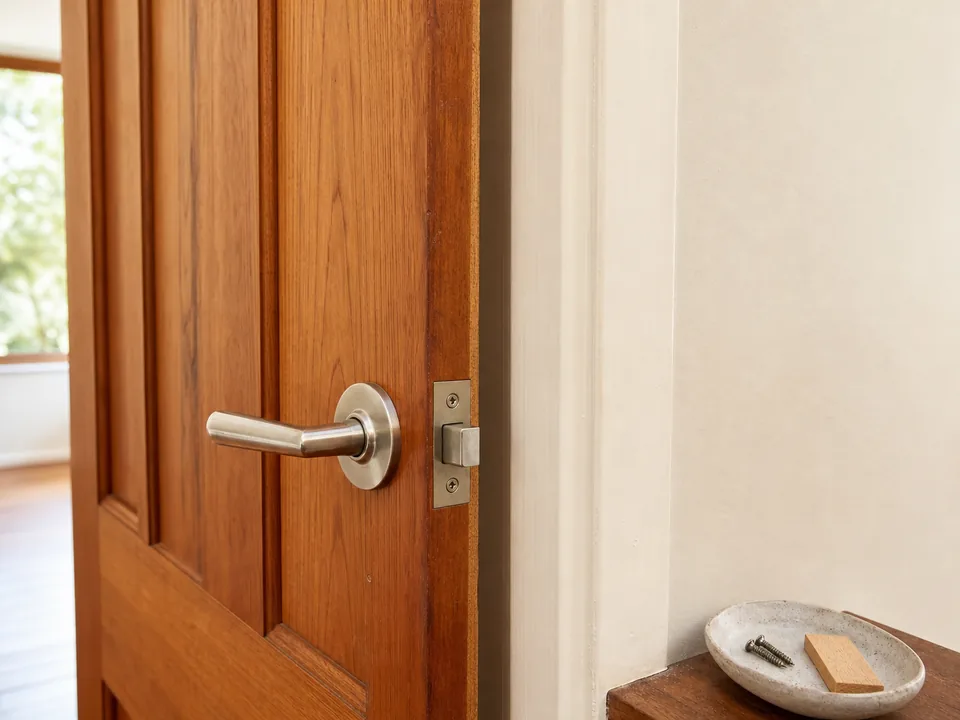
“Adjust the door so it closes smoothly” is more useful than “fix the hinge” when the cause has not been assessed. Note finishes you want to retain, matching concerns and whether a temporary repair already exists.
Record practical constraints
Mention access, occupied rooms, pets, parking, preferred timing and known building restrictions. Identify anything that may need a licensed or regulated specialist so it can be separated early.
Ask for a documented scope
Before work begins, confirm inclusions, exclusions, materials, preparation responsibilities and how changes will be approved. A clear brief supports a useful conversation; it does not replace an appropriate site assessment.